
Yamaha supports the future of the combustion engine, asserting its compatibility with the energy transition

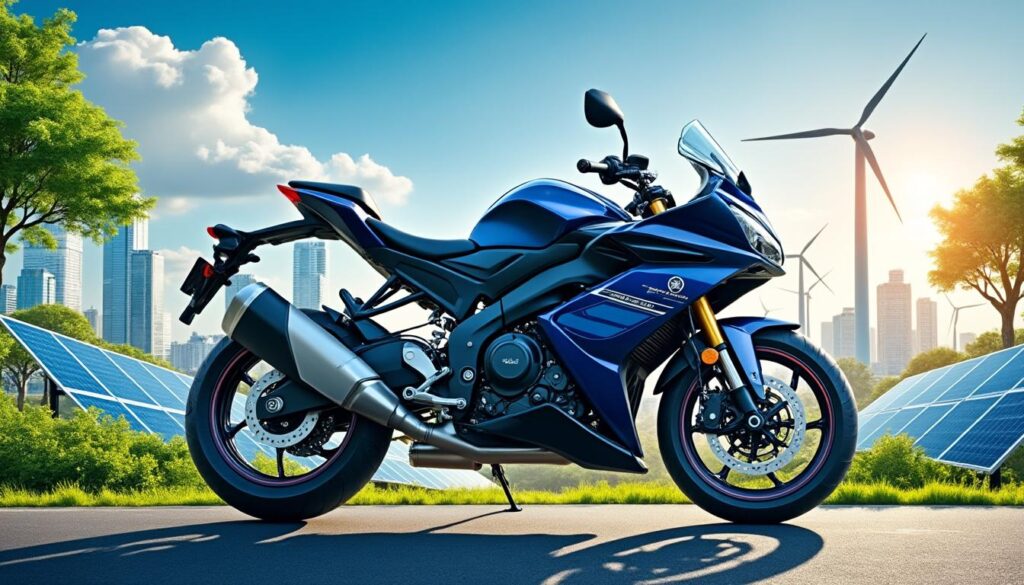
The major automotive and motorcycle brands are today facing unprecedented challenges. As environmental concerns grow, the industry must find a balance between technological innovation and sustainability. In this context, Yamaha, as a key player, firmly supports the future of the internal combustion engine by affirming its role in the energy transition. This statement is part of a clear strategy aimed at combining internal combustion engines with alternative fuels, including hydrogen and bioethanol. The question that arises is undoubtedly: how does Yamaha envision integrating these technologies while staying true to the very essence of driving? This article examines Yamaha's new directions and their potential impact on the future of mobility.
Yamaha and the transition to hydrogen engines
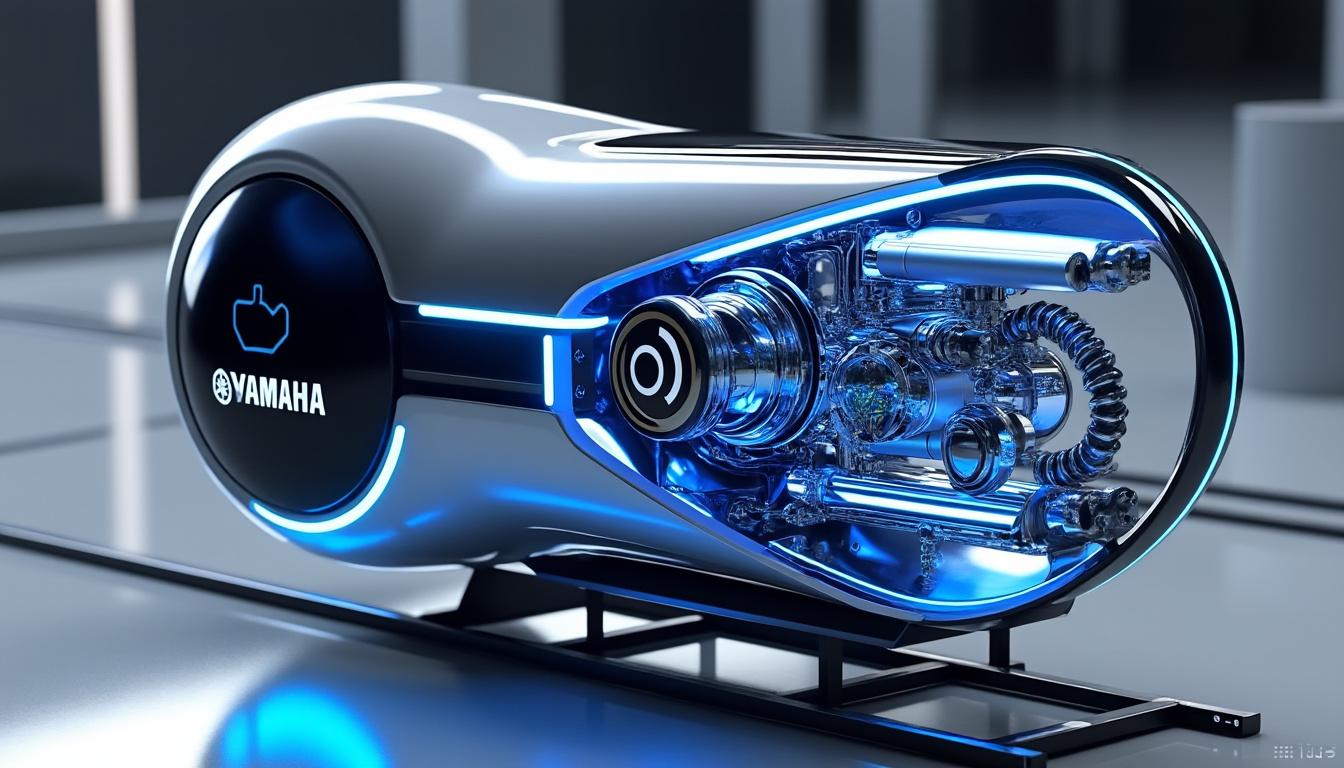
In its quest for innovation, Yamaha has recently embraced the idea of hydrogen engines. The company already has a rich experience with internal combustion engines that could prove valuable in this new paradigm. By announcing a hydrogen V8 engine, Yamaha promotes an alternative that could disrupt the industry.
The hydrogen engine: a promising technology
The hydrogen engine operates by using hydrogen as fuel, thereby producing electricity while emitting only water as a by-product. This technology offers several advantages:
- Reduction of emissions: By virtually eliminating harmful emissions, these engines can play a key role in the fight against climate change.
- Performance: Hydrogen engines can provide performance similar to, or even exceeding, that of traditional internal combustion engines.
- Infrastructure: Although the hydrogen refueling station network is still in development, it could easily adapt to existing infrastructures.
Yamaha is part of a consortium with other automotive giants such as Toyota and Honda, seeking to further develop this technology. By positioning itself in favor of hydrogen engines, the brand sees enormous potential to be tapped in the market, especially in light of carbon neutrality goals by 2050.
Strategic collaborations and pilot tests
Yamaha has registered several strategic collaborations, the most notable being with Toyota, to create a range of hydrogen engines. Initial tests of these engines are being conducted on prototypes in Japan, allowing for performance and durability improvements before their market launch. Shitara, the president of Yamaha, emphasizes the importance of these partnerships: “Eliminating the thermal engine would be a mistake,” he stated, insisting on the need to diversify fuel sources while preserving the fundamental characteristics of internal combustion engines.
| Collaboration | Objective | Status |
|---|---|---|
| Toyota | Development of hydrogen engines | Testing in progress |
| Honda | Technology sharing | Preliminary studies |
| Subaru | Pooling of hydrogen research | Beginning of research |
These strategic partnerships aim to reduce development costs and bring together varied expertise, thus maximizing the chances of success for the commercialization of hydrogen engines. This reflects a growing willingness on the part of Japanese brands to strengthen their position in the global sustainable mobility market.
The importance of safety for motorcyclists: meteorites and motorcycles
In parallel with this technological transition, Yamaha also emphasizes the safety of motorcyclists, especially those returning to riding after a long absence. Shitara has expressed his concerns about the risks faced by “returnees,” highlighting a notable increase in accidents in this category.

Essential preparation and precautions
Motorcyclists who take the handlebars again after a prolonged break must exercise caution. Shitara recommends several measures to ensure safety:
- Undergo a medical examination to ensure that health is satisfactory.
- Invest in modern safety gear, such as helmets equipped with sensors and airbag jackets.
- Participate in driving courses to restore lost riding reflexes.
The market has recorded a worrying increase in fatal accidents involving motorcycles, as indicated by statistics from JAMA in 2024. Approximately 18% of fatal accidents involve riders over 50 years old. This underscores the need for thorough preparation and increased vigilance. Yamaha's philosophy is to invest in advanced safety technologies, such as enhanced ABS, traction control, and adaptive cruise control. However, this type of technology should not overshadow the individual responsibility of the rider.
Safety technology at Yamaha
Yamaha offers several innovations to enhance motorcyclist safety. Here’s an overview of the safety features integrated into recent models:
- Obstacle detection systems: Using radars, motorcycles alert riders to potential dangers.
- Electronic stability control: This system helps maintain motorcycle stability even during delicate maneuvers.
- Collision warnings: Modern motorcycles alert the driver to an impending collision.
| Technology | Functionality | Benefit |
|---|---|---|
| Enhanced ABS | Prevents wheel lock during braking | Secures braking on slippery surfaces |
| Traction control | Prevents wheel slippage | Ensures better grip and stability |
| Adaptive cruise control | Adjusts speed according to traffic | Facilitates smooth journeys in traffic flow |
These features are crucial in limiting accidents. Yamaha, celebrating its 70 years of presence in the motorcycle sector, is committed to combining innovation and safety to ensure the joy of riding while minimizing risks.
Sustainable alternatives to the internal combustion engine
As technological innovation redefines the mobility landscape, Yamaha does not merely defend internal combustion engines. The brand is also investing in sustainable alternatives such as bioethanol. This diversified approach reflects a nuanced understanding of the sector's needs.
Bioethanol as a realistic option
Bioethanol, a renewable fuel, can both reduce carbon footprint and maintain the performance of internal combustion engines. In this year 2025, the transition to bioethanol is considered even more essential in countries like India, where the demand for motorcycles remains high.
- Circular economy: The production of bioethanol can fit into a circular economy model, thus reducing waste.
- Accessibility: Bioethanol can be produced locally, thereby reducing fossil fuel import costs.
- Adaptability: Existing engines can be adapted to run on bioethanol without requiring major modifications.
Yamaha's strategy in India
Yamaha aims to double its current market share of 3.7% in 2021 through expanding into premium models and integrating sustainable powertrain solutions. The growth of the motorcycle market in India, reaching nearly 20 million motorcycles sold annually, presents a golden opportunity for the brand.
| Year | Motorcycle Sales (in millions) | Yamaha Market Share (%) |
|---|---|---|
| 2021 | 20 | 3.7 |
| 2024 (forecast) | 25 | 4.5 |
| 2025 (forecast) | 30 | 5.5 |
By investing in hybrid models and hydrogen motorcycles, Yamaha positions itself as a key player in this transformation towards more sustainable mobility. Shitara-san emphasizes the importance of this balance between electrification and preservation of the legacy of internal combustion engines.
Looking towards the future: a strong commitment to sustainability
The challenge facing the motorcycle industry is immense, but Yamaha demonstrates a strong commitment to sustainability and innovation. As the world rapidly moves towards cleaner transportation solutions, the brand strives to remain at the forefront of new technologies while respecting its core values. This involves an economic model that focuses on hybrid, bioethanol, and hydrogen engines.

A future to define together
Through clear initiatives and strategic partnerships, Yamaha stands out as a leader in seeking sustainable solutions. Companies like Renault, Peugeot, Citroën, BMW, Volkswagen, and Ford are vying for the title of pioneer in the green market, but Yamaha intends to adopt a thoughtful approach. By redefining its priorities around safety, technological innovation, and the preservation of internal combustion engines, it is possible that Yamaha will become a benchmark in the industry.
- Long-term vision: A constant investment in research and development to meet the growing demand for green transportation solutions.
- Collaboration with the industry: Working with other manufacturers to share knowledge and resources regarding innovations.
- Adjustment of product ranges: Adapting existing models to new regulations while preserving their appeal and distinctiveness.
Yamaha is committed to navigating this complex landscape with caution and agility. By reaffirming its position on internal combustion engines and integrating reliable energy solutions, the brand lays the foundations for a promising future.
Source: www.caradisiac.com
Leave a Reply
Articles relatifs