
A motorcycle at 70,000 euros: how far can the passion for classics take us?

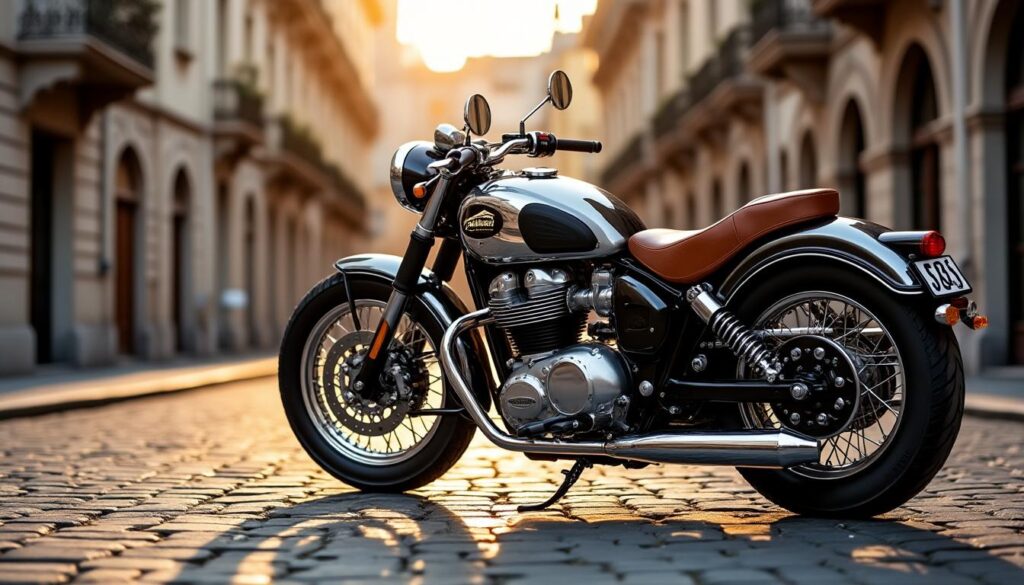
The passion for classic motorcycles continues to grow, to the point where prices reach unimaginable heights. In 2025, the enthusiasm surrounding iconic models, such as the Yamaha FZR 750 R OW-01, illustrates this fervor. This particular motorcycle, sold at auction for over 70,000 euros without ever being unboxed, raises numerous questions about the nature of this passion and the motivations of collectors. But what does it really mean to own a piece of collection of this caliber? What implications does it have in the market for vintage motorcycles?
Models such as Ducati, Harley-Davidson, and Triumph continue to captivate motorcyclists and collectors alike, but the real question remains: how far are we willing to go to acquire and preserve a part of motorcycle history? In this article, we will explore various aspects of this passion, ranging from the valuation of collectible motorcycles to the exploration of the thriving market.
Collectible motorcycles and exorbitant values: A booming market
The frenzy around classic motorcycles, fueled by rarity and nostalgia, is truly transforming the two-wheeler market. The prices of vintage motorcycles reach astronomical levels, hitting sums far higher than recent models from major brands like BMW Motorrad, Honda, or Kawasaki. For example, the sale of the Yamaha FZR 750 R OW-01 for over 70,000 euros is the most striking illustration. This is a Superbike model, manufactured in only 2,000 units for competition, which gives each example exceptional value. This phenomenon is not isolated.
Beyond Yamaha, brands like MV Agusta and Indian Motorcycle see their collectible models sell for similar prices. A trend is emerging: collectors desire to own motorcycles that have a history or are connected to famous personalities. Thus, motorcycles that previously belonged to racing champions can see their prices multiply by ten. This raises questions about emotional value versus market value. Here are some elements to consider in this dynamic:
- Rarity: Motorcycles are often built in small series or limited editions, increasing their market value.
- Condition: Well-preserved motorcycles or those that have undergone meticulous restoration achieve significantly higher prices.
- Provenance: Having a famous history or having belonged to a legendary rider increases a model's financial value.
- Nostalgia: The rise of a new vintage culture drives collectors and enthusiasts to seek out motorcycles from the past.
The following table illustrates the selling prices of the most iconic collectible motorcycles on the market:
| Model | Selling Price (euros) | Rarity (units) |
|---|---|---|
| Yamaha FZR 750 R OW-01 | 70,000 | 2000 |
| Ducati 916 | 35,000 | 6000 |
| Harley-Davidson FLH | 40,000 | 3000 |
| MV Agusta 750 S | 60,000 | 500 |
| Triumph Bonneville | 25,000 | 8000 |
In summary, the classic motorcycle market continues to grow, prompting enthusiasts to reflect on the reasons that lead to investments in such expensive models. While some purchasing decisions may seem irrational, they are often motivated by a deep emotional and cultural attachment. In this context, the enthusiasm of enthusiasts addresses varied themes that deserve deeper exploration.
The passion for vintage motorcycles: Beyond a simple hobby
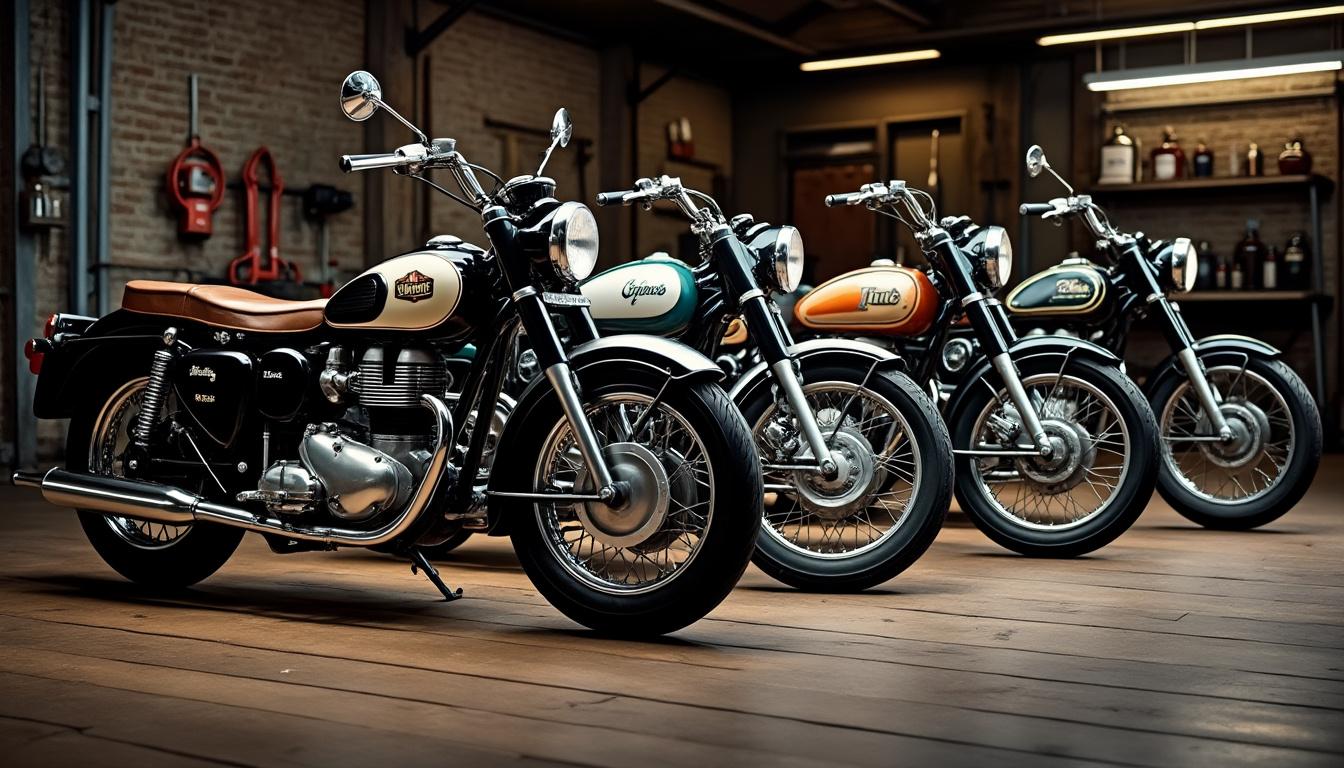
Owning a classic motorcycle goes far beyond the financial aspect. It is a lifestyle, a way to connect with the technology of the past and a community of enthusiasts who share the same love. Whether it is a Honda CB 750 or a Suzuki GSX-R, each model has its story and unique characteristics. For many enthusiasts, uncovering these narratives is about discovering a world where technical details and aesthetics meet. These classic motorcycles are witnesses of time, providing a glimpse into bygone eras.
Most owners of vintage motorcycles share a particular affection for their machine. They often spend many hours restoring or maintaining it for various reasons:
- Emotion: The passion for motorcycles often comes from a memory or personal history. Many grow up admiring specific models, transitioning from childhood dreams to adult reality.
- Craftsmanship: Restoration involves a know-how and a deep understanding of mechanisms, making each project a work of art.
- Community: Enthusiasts share forums, social groups, and shows to exchange advice and participate in gatherings. This creates a strong social connection.
To delve deeper into this subject, it is fascinating to consider the existence of classic motorcycle clubs. These organizations bring together enthusiasts, organize events, exhibitions, and foster networking among owners. These gatherings allow enthusiasts to see a wide range of models, whether restored or left in their original state. Here are some clubs worth mentioning:
- Riders Motorcycle Club: An essential spot for the vintage motorcycle community, with a packed events calendar.
- Classic Motorcycle Club: This club is known for its passion for unusual vintage motorcycles.
- Motorcycle Lovers: An online forum where enthusiasts from around the world meet.
Staying connected with other enthusiasts is essential to keep this flame alive. Video recordings and reviews of past events help share these experiences.

With this multifaceted approach, it is undeniable that classic motorcycles hold a unique place in the collective imagination. Owners do not just own motorcycles; they keep memories and traditions alive, making every race or ride a memorable experience.
The restoration of classic motorcycles: A true art form
Restoring a classic motorcycle is a complex challenge that requires time, patience, and above all, a love for motorcycles. This process is often long and laborious, but it also brings great satisfaction. When a motorcycle is returned to its original condition or improved, it comes back to life and its story is preserved. Enthusiasts who choose this path usually spend hours working on the engine, fairings, and every little detail.
The technical challenges associated with restoration are varied. Take the Yamaha FZR 750 R as an example: even if its condition is exceptional, owners will have to replace all fluids, check the engine, and often repaint or repair the bodywork. This requires expertise that many enthusiasts develop over the years. Here are some key steps in this process:
- Assessment: First and foremost, it is essential to diagnose the complete state of the motorcycle.
- Disassembly: The motorcycle must be entirely disassembled to allow for meticulous restoration.
- Replacement: Worn parts often need to be replaced, whether with original parts or reproductions.
- Painting and finishing: The final touch often overlooked, but it is also where the character of the motorcycle shines.
Once the restoration process is complete, what is obtained is much more than just a vehicle; it is a testament to an era. Restorers often take the time to document each step, shaping a sort of "logbook" of their project. Social media plays a crucial role here, with many enthusiasts showcasing their progress online, fostering mutual support within the enthusiast community. An inspiring example found on Instagram is a complete restoration project of a Honda CB 400, documented by an enthusiast from around the world: To conclude this part, it is essential to realize that the restoration of classic motorcycles is a true art in its own right.
From classic motorcycles to a sustainable future: Classic electric motorcycles
On the brink of technological evolution, the idea of classic motorcycles is not limited to gasoline models. The emergence of electric motorcycles designed with classic aesthetics is overturning the very notion of what a "classic motorcycle" means. Companies such as Maeving are making their debut in the market with models that combine vintage aesthetics with modern performance. In 2025, this retro-styled electric motorcycle managed to catch the eye of consumers seeking a sustainable alternative while maintaining a vintage look.
Among the brands standing out in this sector, several exciting models of electric motorcycles are rooted in a prestigious past, like the Honda CB 750. Here are some advantages of classic electric motorcycles:
- Sustainability: With growing concerns about climate change, these motorcycles offer an eco-friendly alternative to gasoline vehicles.
- Modern technology: Equipped with the latest innovations, these motorcycles ensure a smooth riding experience.
- Energy efficiency: Maintenance costs are generally lower with electric motorcycles.
The growing trend for these inspired models raises the question of whether the classic market is ready to change direction. A desire for greener roads is slowly beginning to carve its way. To illustrate this, an international event dedicated to electric motorcycles was recently held: . However, there are also challenges to overcome.
It is crucial for companies to ensure that these models maintain the essence of classic motorcycles while adding the benefits of modernity. Motorcycle enthusiasts are often very attached to the history and significance of bygone models. This tension between tradition and innovation is delicate to navigate. Brands must therefore balance these issues to ensure that the public does not perceive these new models as breaks with the past, but rather as a necessary evolution. The market is still looking to reconcile these trends as brands like BMW Motorrad and Harley-Davidson present forgotten designs in electric form. In summary, the passion for classic motorcycles continues to thrive, transforming and reinventing itself in the context of modern challenges.
Source: www.caradisiac.com
Leave a Reply
Articles relatifs