
Innovative traffic signs are appearing along the roads


Road safety is now at the heart of road users' concerns, and with the increasing traffic, innovation in signaling is more essential than ever. Starting from April 9, 2025, new signaling devices are appearing on our roads, represented by both informative and interactive signs. These Smart Signs, also known as InnovaSigns, aim to improve safety while raising drivers' awareness of the new regulations. In this article, we will explore several aspects of this diegetic evolution in signaling.
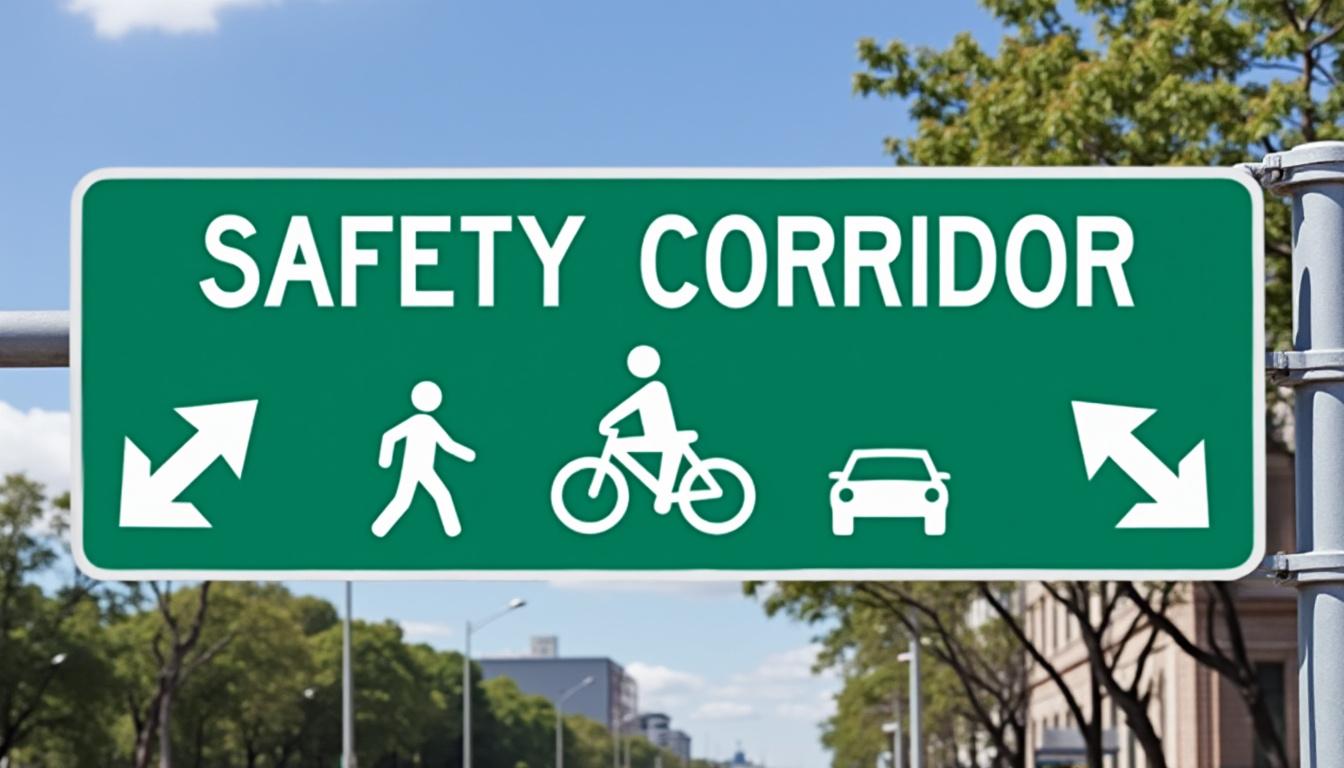
Futuristic Signage: the New Signs of the Safety Corridor
The concept of the Safety Corridor was integrated into the Highway Code in 2018, illustrating the importance of raising driver awareness about road safety. According to article R412-11-1, when emergency vehicles are present, users must slow down and change lanes if possible. However, despite sanctions that can reach 135 euros, many drivers do not comply with this rule.
To address this problem, experiments were carried out during spring 2022. These experiments introduced signs, each installed every 300 meters, that everyone should respect. These signs, designed to remind drivers of the crucial steps to follow: slow down, change lanes, and respect the safety corridor, have proven effective and have been integrated into the standard roadway.
This change, effective since April 10, 2025, is part of a broader initiative to improve road signage using pedagogical methods. Although optional, these devices can now be found on separated carriageways and highways throughout the country, thereby enhancing user safety.
The consequences of road violence and the importance of awareness
The need to improve signaling is even more urgent when considering the tragic accidents that unfortunately occur on our roads. Accidents that could be avoided with appropriate signage. For example, a tragic accident that recently occurred in Gard highlighted the vulnerability of road users in the face of intervention vehicles. You can consult the article on this tragedy here.
On the other hand, motorcyclists, often on the frontline of road dangers, must also be informed about the new rules. Many accidents, such as that of a motorcyclist in Paris who lost his life while trying to avoid a cyclist, highlight that special attention is necessary in the design of road signage. To better understand this theme, an article details this tragic accident here.
An overview of educational measures surrounding new signage
It is essential not to limit the use of new signs. A wide range of educational actions must be implemented to complement this device. For instance, information campaigns, awareness workshops, and programs in driving schools, so that every driver is well-informed about the implications of these new measures. We could imagine entirely new road safety pedagogies combined with digital tools, allowing for interactive and playful learning.
To illustrate this, let’s take a few examples of measures that could be implemented:
- Mobile applications providing information on the Highway Code and the integration of safety.
- Aws raised awareness sessions aimed at driving schools to train future drivers on the new regulations.
- Targeted advertising campaigns to remind of the importance of respecting the Safety Corridor.
| Steps of the Safety Corridor | Importance |
|---|---|
| Slow down | Allows assessing the situation and avoiding an accident |
| Change lanes | Offers a safety margin to stopped vehicles |
| Respect the corridor | Guarantees safety for intervention teams |
New signaling panels and interconnected technologies
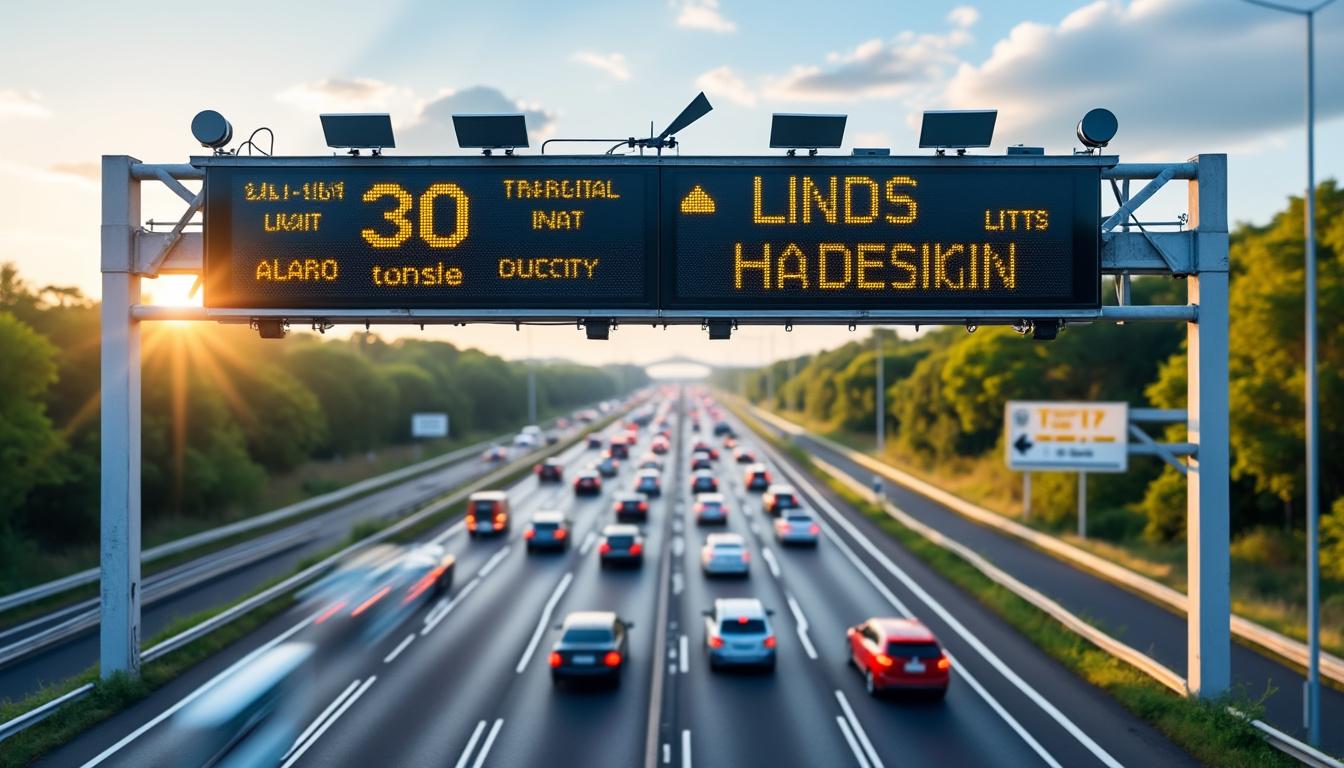
In 2025, with the rise of communication technologies, road signaling is making a leap forward. The new signs, nicknamed SmartSigns, incorporate advanced technologies such as the Internet of Things. This allows them to be not only passive devices but also interactive. For example, these signs can communicate in real-time with vehicles equipped with sensors, thus creating Connected Roads.
Imagine a scenario where a sign indicates a construction zone in real-time, changing its message based on weather conditions, traffic, and even the presence of emergency vehicles. This would optimize traffic flow and reduce accidents.
Some cities are already moving toward this connected signage, and the feedback is very encouraging. The traffic system has improved considerably through more effective coordination among different users.
Examples of new connected signaling systems
The way interconnected signs work raises many questions about the future of traffic. Here are a few examples of interesting systems:
- Innovative Alert: Signs that can detect traffic conditions and adjust their signal or alert drivers to an imminent danger.
- SignalTech: Signs that provide information on the average waiting time in congestion areas, allowing for alternative choices.
- VisiRoute: These devices also allow for visual identification of signs for autonomous vehicles, facilitating information sharing.
| Type of Sign | Functionality |
|---|---|
| Innovative Alert | Detection of traffic conditions |
| SignalTech | Provides traffic information |
| VisiRoute | Facilitates communication with autonomous vehicles |
The impact of signaling panels on road safety
Innovations in signaling panels clearly aim for better adherence to regulations, but their impact on road safety is a separate subject. By incorporating devices such as the Safety Corridor, authorities seek to change driver behaviors. However, the question remains: do these changes actually result in fewer accidents and more safety on the road?
A recent study showed that regions equipped with new panels, like those of Signal 2.0, experienced a significant decrease in accidents, particularly those involving emergency vehicles. This empirical evidence reinforces the need for a more comprehensive deployment of these devices. Statistically, an increase in adherence to driving rules has been noted, highlighting the effectiveness of educational signaling.
Examinations and analyses of the repercussions on traffic
To better understand the importance of current signaling devices, it is important to evaluate several factors. Here is a list of key elements that are regularly analyzed:
- The number of accidents recorded before and after the installation of new panels.
- User feedback regarding the effectiveness and visibility of the signaling.
- Adjustments made to the Highway Code and observed behaviors among drivers.
| Factor | Observed Impact |
|---|---|
| Number of accidents | 20% decrease in accidents |
| User feedback | 85% increase in satisfaction regarding the new panels |
| Behaviors | 30% increase in respect for the Safety Corridor |
The future perspectives for innovative road signaling
The future of road signaling seems promising with the advancement of communication technologies and the integration of Futuristic Signage. This could include connected signs capable of adjusting their messages based on road conditions, traffic flows, or even real-time events. The Smart Signs could also incorporate elements of artificial intelligence, facilitating multimedia content sharing among road users.
The prospects are astonishing, not only for user safety but also for simplifying urban traffic management. This could pave the way for an even stronger cooperation between autonomous vehicles and infrastructures, consolidating the effectiveness of public transport networks. This shift towards technology could generate an intuitive relationship between signaling panels and individuals.
Exploring new avenues for road safety
Environmental challenges, combined with road safety, push to rethink existing signaling systems. Like the new models of SmartSigns, innovative solutions are emerging to balance these needs. Initiatives could arise around the use of solar-powered signs, reducing their carbon footprint. Furthermore, signaling systems powered by renewable energy could multiply. These new directions will be essential for the future of our roads.
In conclusion, the road to more effective and safer road signaling is paved with innovations. Recent changes, such as the integration of elements from the Safety Corridor or the adoption of interconnected technologies, show that we are on the brink of a new era. This evolution will significantly influence how we perceive and manage road safety.

Leave a Reply
Articles relatifs